A practical mind for messy problems

Clever solutions.
Less busywork.

I help businesses fix inefficient processes, connect disconnected systems, and build the software or automation they’re missing.

Sometimes that means AI. Sometimes it means making better use of what you already have. It starts with understanding the problem.

Seeing the whole picture
Connecting the pieces around the real problem People, data, systems, and workflows connect to the real business problem at the center. PeopleDataSystemsWorkflows The realproblem.
Understand the pieces.
Make them work better together.

25+ years connecting the dots.

Software Data Energy & operations Consulting

What I do

There’s probably
a better way to do that.

The copy-and-paste routine. The systems that don’t talk. The tool that almost does the job. That’s where I can help.

01 / Automation

Get the repetitive work
off your plate.

Moving files. Re-entering data. Running the same reports. If someone repeats the same steps every day, there’s probably a better way.

I look at the whole process, work out what needs human judgment, and automate the rest.

Less copying. Fewer manual steps.
02 / Integration

Help your systems
talk to each other.

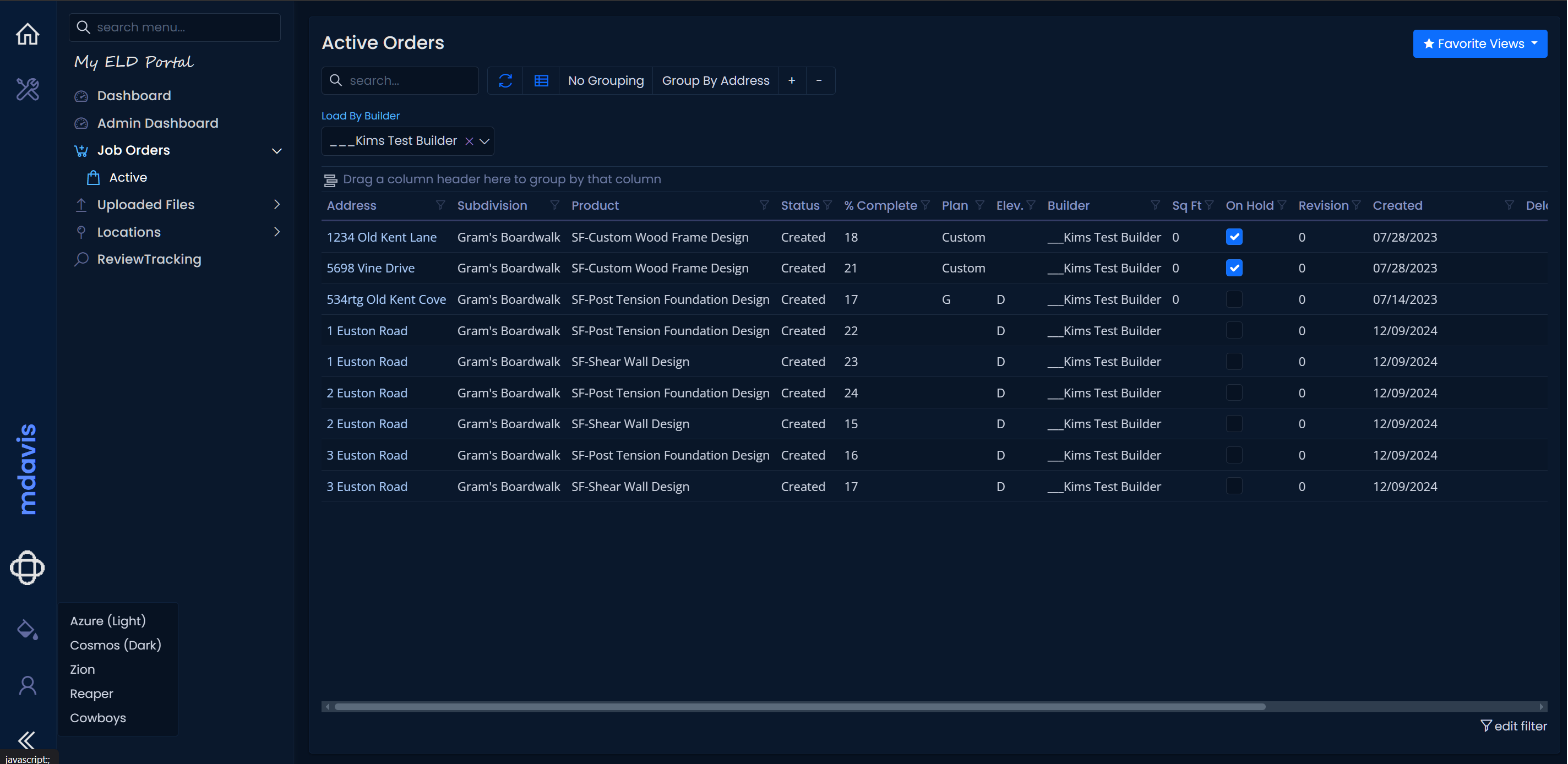
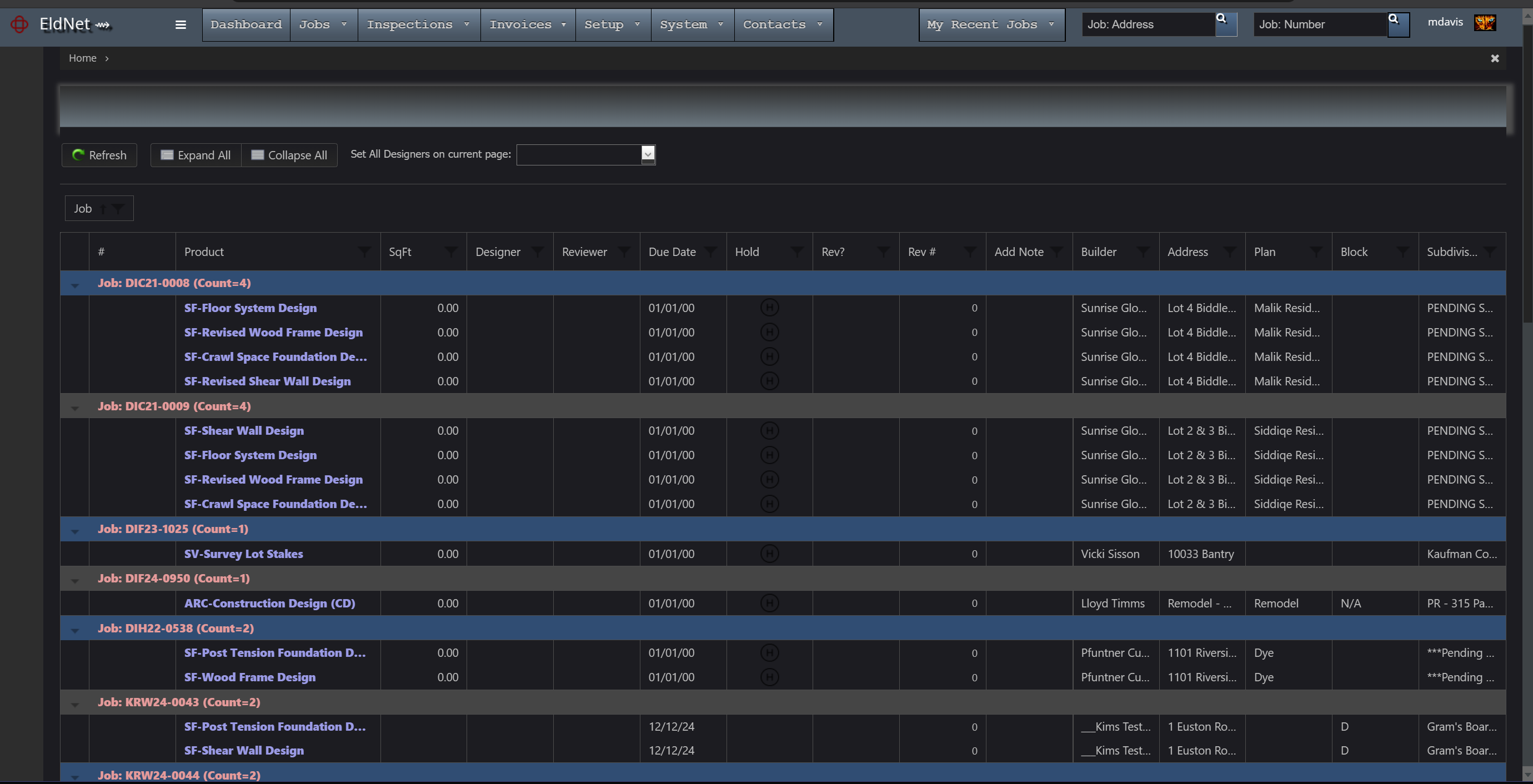
One application has information another one needs. Your team ends up carrying it between them.

I connect applications, databases, files, and workflows so information gets where it needs to go.

Your people have better things to do.
03 / Custom software

Build the piece
that’s missing.

Sometimes the software you have almost solves the problem. Almost.

A small internal tool, a dashboard, an integration, or a full application—I build what fits the work you actually do.

The right size for the real problem.
04 / Practical AI

Find where AI
can actually help.

Research, document processing, finding answers in your own information: there are useful places to start.

I help you work out where AI adds value, and where conventional software will give you a more reliable answer.

A useful tool. A considered choice.

Sound familiar?

The problems I like
are usually
the messy ones.

They cross departments. They involve several systems. Nobody quite owns the whole thing.

A spreadsheet holding everything together.

A manual process someone runs every morning.

An expensive application everyone works around.

“That’s how we’ve always done it.”

That’s a starting point. I trace the workflow, find the connections, and work out what would actually make things better.

  1. 01

    Understand the real problem.

    Start with the people doing the work.

  2. 02

    See how the pieces connect.

    Follow the information across systems.

  3. 03

    Build the simplest reliable solution.

    Choose the tools that fit.

Selected work

What that looks like
in practice.

A few examples from my work. Different problems, different tools. The same aim: make things easier to run, understand, and maintain.

02 / File processing

When the file arrives,
the work starts.

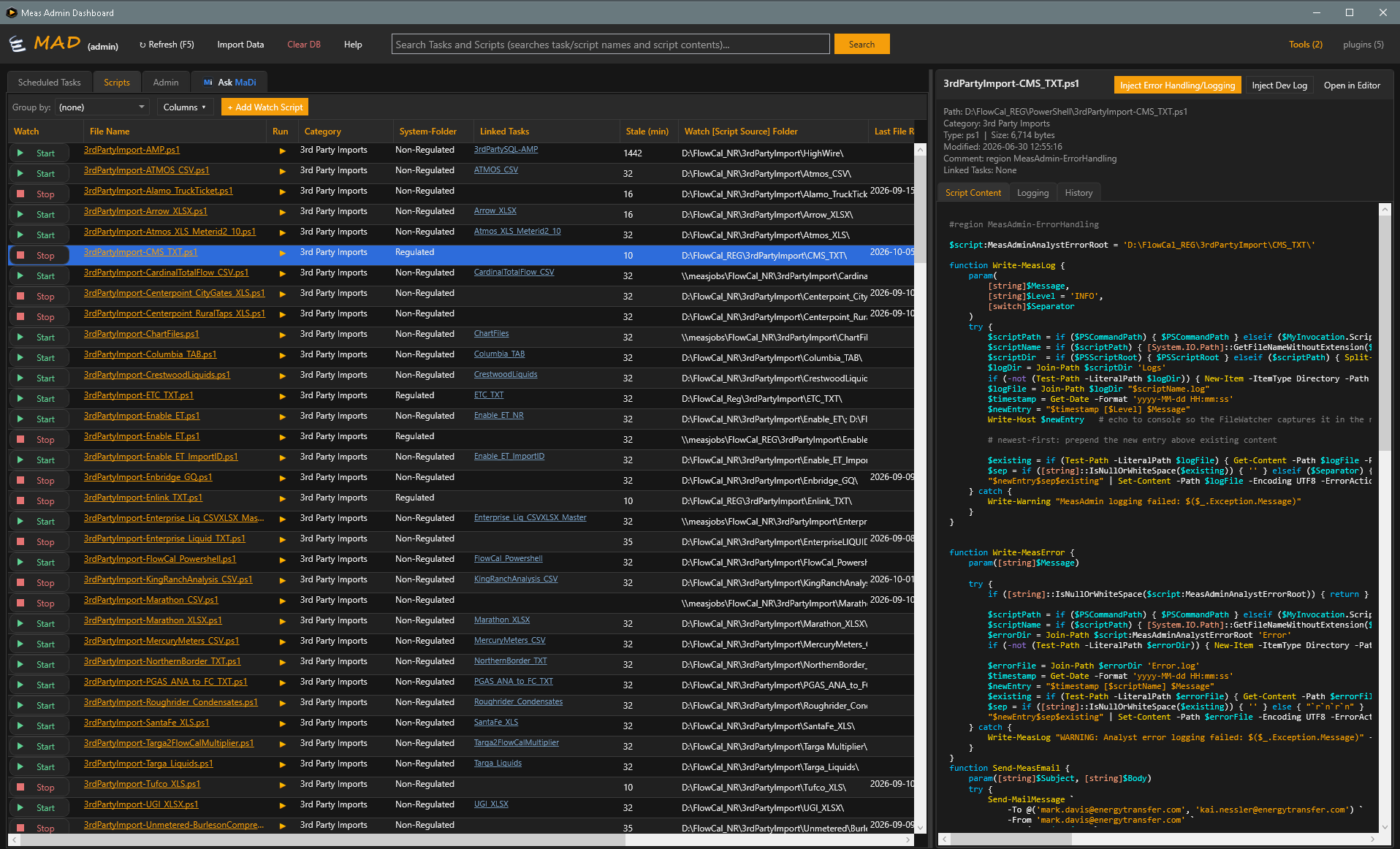
The problem. File workflows waited for scheduled checks, and failures were difficult to trace.

What I built. Event-driven monitoring where appropriate, with run history, recovery, and alerts for stuck files.

The result. Files could be processed on arrival, with better visibility when something went wrong.

Under the hood

File monitoring, execution history, structured logging, watchdog recovery, and stuck-file alerts replaced polling where it suited the workflow.

03 / Practical AI

Useful answers from
scattered knowledge.

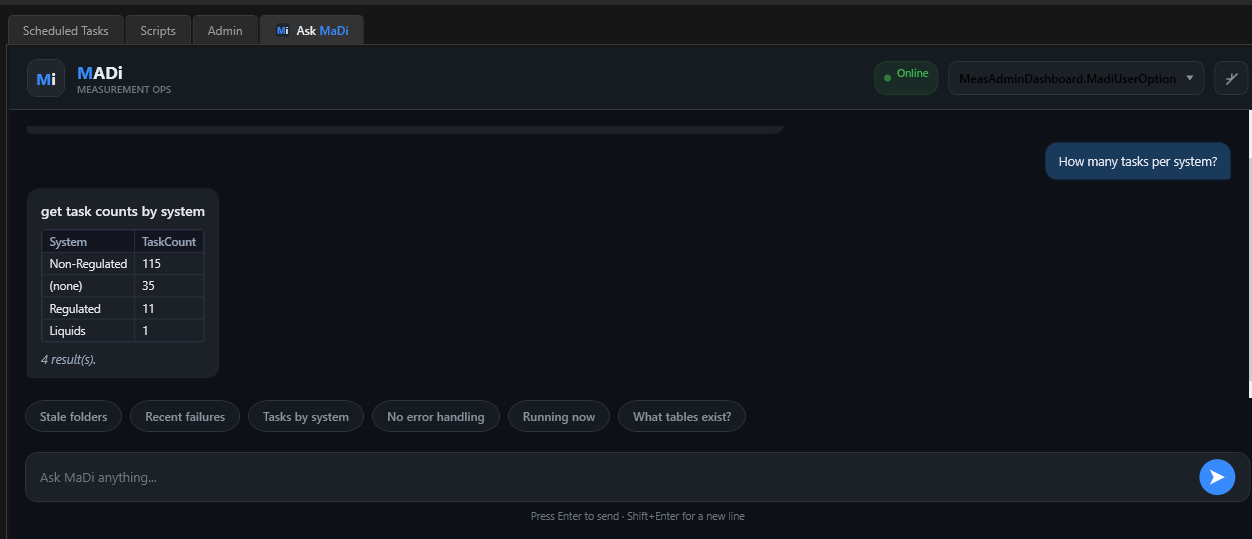
The problem. Finding and applying knowledge across documentation, data, and internal tools took too much manual effort.

What I built. A local AI assistant grounded in curated documentation, with controlled, read-only tools.

The result. Internal knowledge became easier to access while sensitive operations stayed controlled.

Under the hood

Curated references, tool routing, auditability, and explicit guardrails. AI handled language; deterministic tools handled operations that needed predictable behavior.

The person behind SmudgeBrain

Hi, I’m Mark.
I like figuring things out.

Mark Davis / Founder, SmudgeBrain

I’ve spent more than 25 years solving problems with software, data, automation, and systems integration—much of it in energy and operational environments.

I’ve been a developer, architect, consultant, manager, and the person who follows a problem across several systems to find out what’s really happening.

I’m a lifelong, self-directed learner. The technologies keep changing. The part I enjoy stays the same: understanding something complex, finding the connections, and making it work better.

Why “SmudgeBrain”?

My dad once joked that he hadn’t left his “mark” on the world—just a smudge. That line stayed with me. Now it has a home here.

For the technically curious

C#/.NET, PowerShell, Python, SQL Server, Oracle, APIs, desktop and web applications, operational automation, document processing, and local AI systems.

The work spans development, architecture, integration, and support—following the problem wherever it leads.

Let’s figure it out

Have something that feels
harder than it should be?

You don’t need to know whether the answer is AI, an integration, an application, or a 50-line script. That’s part of the job.

Contact details coming soon.